

The FairFactory
A system designed to outlive the product it builds. Not a production line — a deployable ecosystem.
What is the FairFactory?
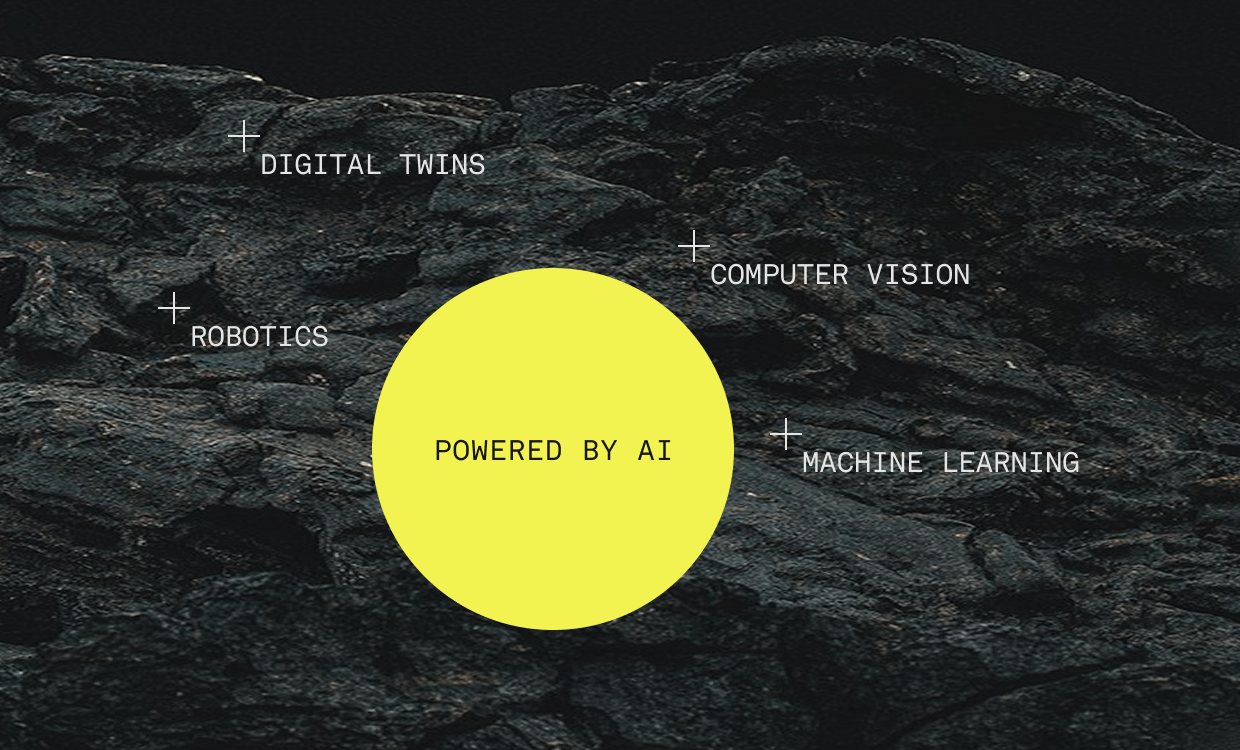
The FairFactory is our most important technology. It is not a typical factory in the traditional sense, but rather a high-tech, full-loop ecosystem of robotics, digital twins, computer vision, and machine learning. Once the physical hardware is ready, a new FairFactory can go live anywhere in the world within days. The result is that a FairFactory keeps valuable materials out of landfills. It turns waste into 2nd generation materials powering the most progressive and innovative companies in the world
It’s not just storytelling.
What does this mean in real numbers?
to deploy software to create our new FairFactory in Salt Lake City
batches of different materials processed
chips/hour production capacity
DB queries per day
separate software modulus working together
From Waste to Chips
Inside each FairFactory, the transformation begins with discarded composite materials.
We receive aerospace industrial waste or end-of-life components, characterize them, and then process them through a low-energy, AI-optimized cutting system. This creates our foundational unit: the FAIRMAT Chip — a cured, single-ply carbon-fibre composite element designed for reuse.
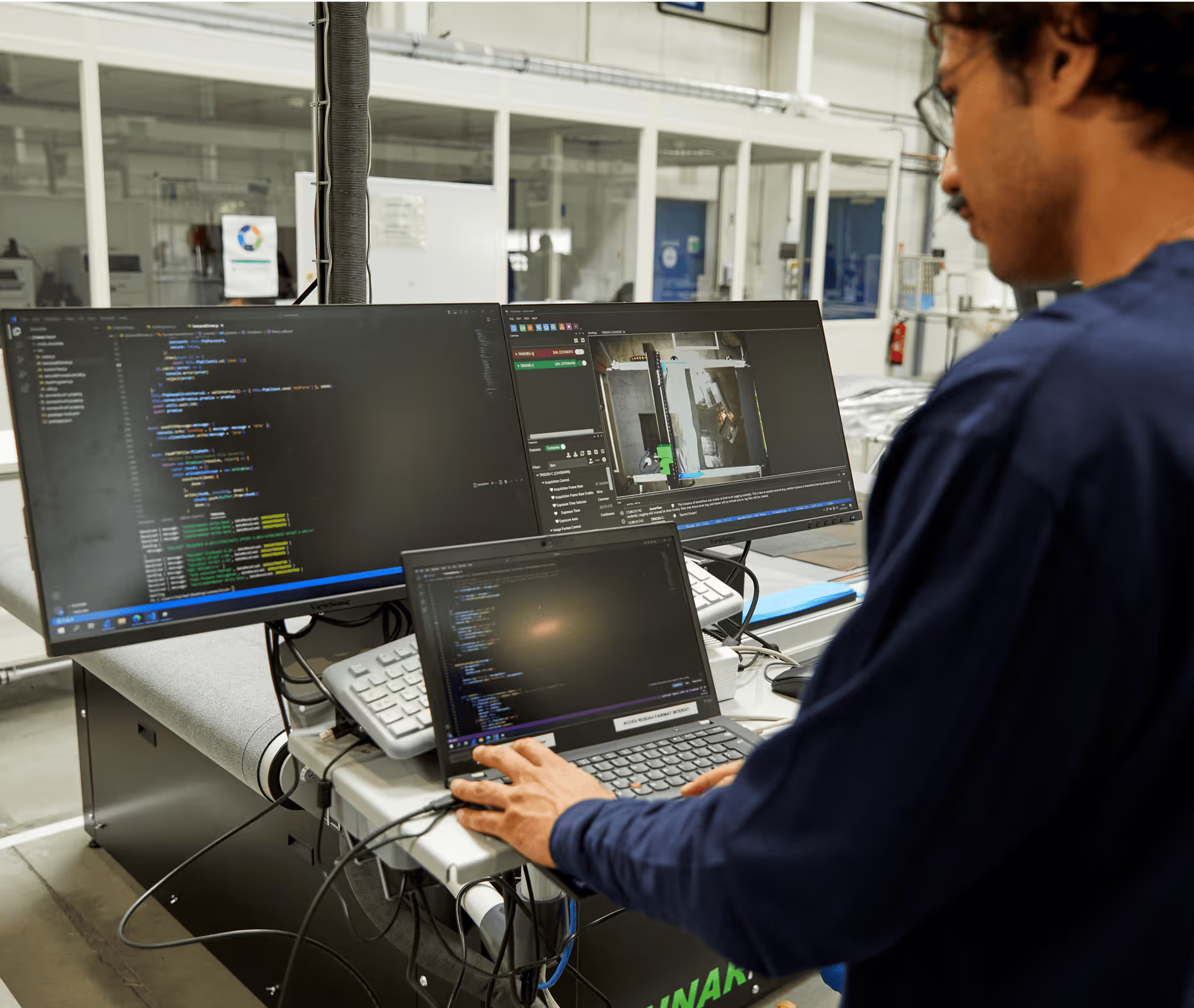
The integrated sensors at the FairFactory mean that we collect data at every step: We track and trace every chip from the time it is cut until it goes into a product
.avif)
From Chips to Products
FAIRMAT Chips are then reassembled into entirely new materials. Robotic systems layer them into custom patterns, guided by mechanical requirements and application-specific layouts. New plies of chips are formed which can be then cut and combined together into preforms and molded into parts. Everything is driven by a digital twin — from design to production.
FairFactory isn’t a factory
It learns, optimizes, and replicates — at scale.
Why it matters
To create second-generation materials as reliable as virgin ones, we engineered a manufacturing ecosystem that constantly adapts to variations in incoming waste.
From Nantes to Salt Lake City, a FairFactory is never a one-off. It’s a blueprint for a new kind of industrial footprint.
It senses, measures, and adapts — in real time.
It connects to software — not spreadsheets.
It produces materials that are high-performance, low-waste, and infinitely repeatable.

Quality control & constant performance materials
2nd generation materials don’t have to mean random materials. Fairmat turns variability into reliability — by design.

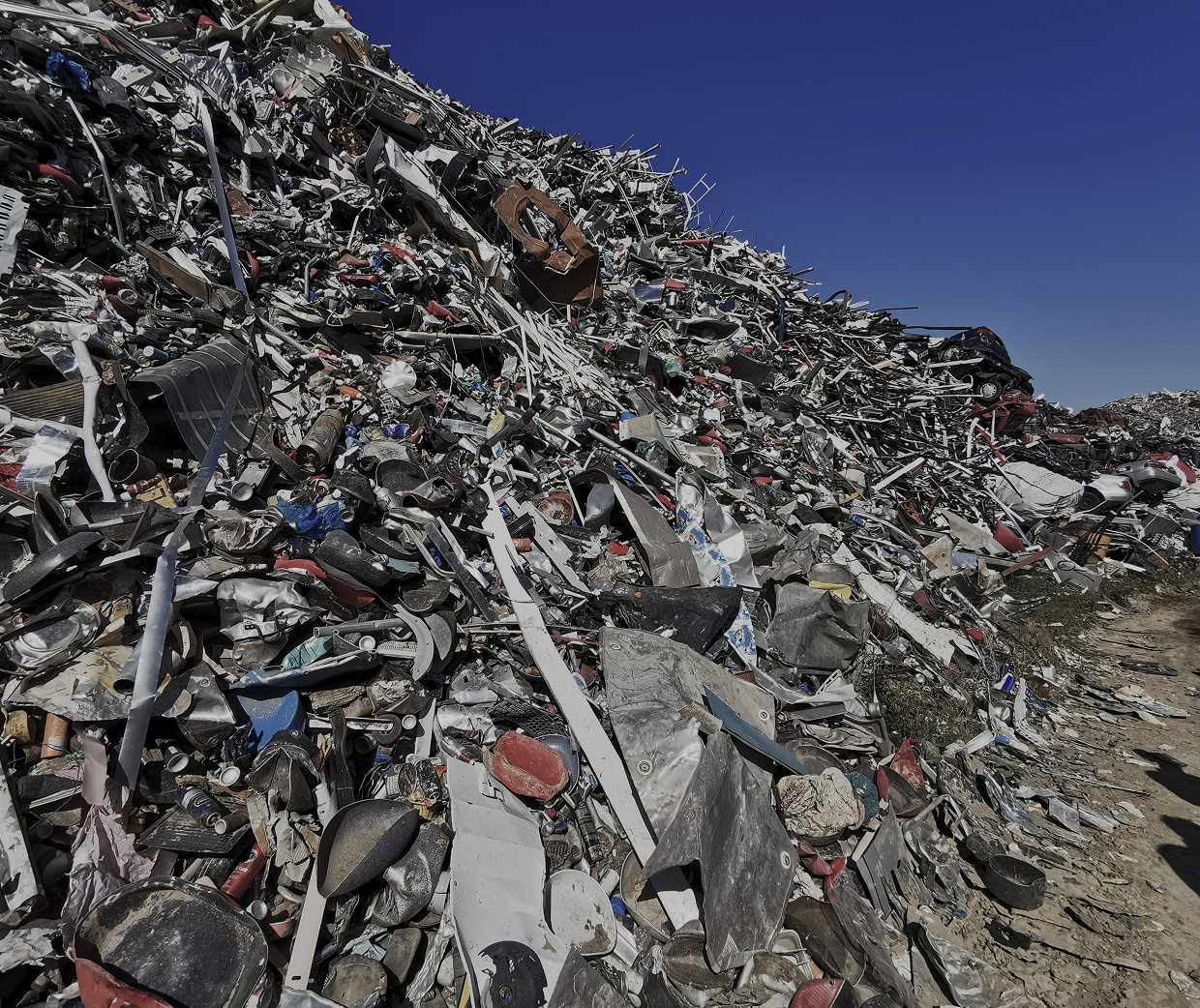
The challenge: waste is not consistent
Recycling materials means that you get many different materials, with different properties. Most of the time in recycling, this means settling for less. At FAIRMAT, it’s the starting point for innovation.
Performance, not guesswork
FAIRMAT uses a combination of mechanical testing and computer vision to characterize each incoming material. We don’t just ask where it comes from — we need to know how it behaves.
Extensive screening and characterization of all incoming materials allows us to continually refine our database of materials, which allows Machine Learning models to generate clusters of materials with consistent performance. Because we collect data at every stage of the process, our sampling is dynamically adjusted to ensure we are confident on what we deliver. So you get material with the same performance, year after year.
Infinity Recycling™
The end of a product shouldn't be the end of the material.
When a FAIRMAT laminate is made, a small amount of new resin is added to hold the chips together. FAIRMAT’s patented Infinity Recycling process uses a low-energy treatment to selectively remove this new resin and recover the original chips so that they can be reused.
Because each time we only add and remove a small amount of new resin and leave the original chips untouched, we can repeat this process as many times as needed.
This process gives FAIRMAT composites a second life, and third, and …
The problem with traditional recycling
Most carbon fiber composites are made with thermoset resins.
These resins cure irreversibly — which means once the part is made, it’s nearly impossible to break it back down without destroying the fibers.
Today, most composite recycling either burns the matrix (high emissions) or shreds the fiber (low performance).
Neither solution is truly circular.
A breakthrough: cold plasma separation
Infinity Recycling changes everything.
Our patented process uses cold plasma to selectively remove the resin between chips, allowing us to robotically remove and recover chips without damaging the valuable carbon fibre within. Cleanly, efficiently, and without combustion.
No grinding.
No incineration.
No compromise.
Ultra-low carbon impact
Because we recover chips that are already made, Infinity Recycling emits up to 10x less CO₂ than our first generation chips.
It uses no solvents, no combustion, and operates at low energy.
Circularity isn’t just about what you reuse.
It’s how you reuse it that matters.
Designed for repeatability
The chips produced from this process retain their mechanical strength and can be reused again in new FAIRMAT materials. This opens the door to second-generation recycling, where even previously recycled products can be processed again without loss of quality.
And because it’s all tracked through FairTrack, we know where each recycled chip has been — and where it’s going.
